
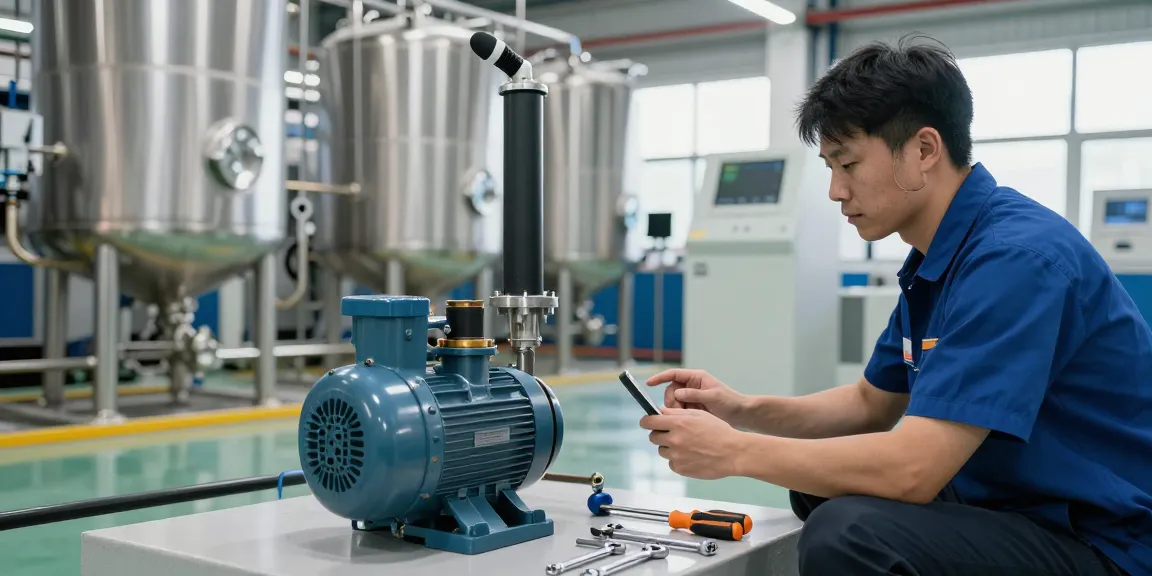
Understanding Vertical Sump Pumps
In the realm of industrial pumping solutions, vertical sump pump technology has emerged as a reliable choice for handling various liquid types, particularly in challenging environments. This article delves deep into the functionalities, advantages, and considerations associated with vertical sump pumps, ultimately offering a comprehensive resource for industries seeking effective fluid handling solutions.
What is a Vertical Sump Pump?
A vertical sump pump is specifically designed to lift liquids from a sump or pit. These pumps are vital in applications where the fluid being pumped is located below the pump installation level. Vertical sump pumps operate efficiently by using an impeller situated within a vertical column of the pump, allowing for effective fluid transfer while minimizing the risk of cavitation and ensuring reliable operation in low-level fluid conditions.
Components and Functionality of Vertical Sump Pumps
The key components of a vertical sump pump include the following:
- Impeller: Located at the bottom, it is responsible for creating the hydraulic energy necessary to move the liquid through the pump.
- Volute: The casing that directs the flow of liquid from the impeller to the discharge pipe.
- Suction Strainer: Prevents debris from entering the pump, thereby protecting critical components.
- Support Column: A vertical pipe that houses the pump shaft and connects the impeller to the motor located above the fluid level.
- Motor: Typically mounted above the sump, it drives the pump through a vertical shaft, ensuring efficient operation without submerging sensitive components.
These components work in harmony to ensure the pump effectively lifts fluids while safeguarding operational integrity, even in harsh conditions.
Common Applications in Various Industries
Vertical sump pumps are utilized across a wide range of industries, predominantly in scenarios where fluids need to be removed from confined spaces. Some common applications include:
- Chemical Processing: Handling corrosive fluids in chemical plants where safety and reliability are paramount.
- Mining Operations: Pumping water and slurry from pits to maintain operational efficiency.
- Pulp and Paper Industry: Managing wastewater and other liquid by-products in paper production.
- Power Generation: Used in cooling systems to remove excess water.
- Wastewater Management: Effective in sewage treatment facilities for efficient liquid transfer.
Key Advantages of Using Vertical Sump Pumps
Superior Performance in Corrosive Environments
One of the standout features of vertical sump pumps is their ability to handle corrosive liquids. Constructed from materials such as stainless steel and high-grade plastics, these pumps are designed to resist degradation, thus ensuring longevity and reliability in applications involving harsh chemicals.
Space Efficiency and Design Benefits
The vertical configuration of these pumps allows for a smaller footprint, making them ideal for facilities with limited space. By utilizing vertical space effectively, organizations can optimize floor plans, making room for additional equipment or operational activities.
Cost-Effectiveness in Long-Term Operations
Investing in a vertical sump pump can lead to significant cost savings over time. Their robust design reduces the need for frequent replacements and maintenance, ultimately ensuring lower operational costs. Furthermore, the efficiency of these pumps translates into lower energy consumption, contributing to overall savings on operational expenditures.
Challenges and Considerations
Installation Challenges for Vertical Sump Pumps
While vertical sump pumps offer many advantages, installation can present certain challenges. Ensuring proper alignment and securing a stable foundation for the pump is crucial to avoid imbalances during operation. Additionally, the necessity for adequate headroom must be considered during the design and installation phases.
Maintenance Requirements and Best Practices
Routine maintenance is vital to maximize the lifespan and efficiency of vertical sump pumps. Best practices include:
- Regular inspection of the impeller and volute for wear and tear.
- Checking the motor for overheating issues.
- Cleaning suction strainers to prevent clogging.
- Monitoring seals and gaskets for leaks.
By adhering to these maintenance protocols, facilities can ensure uninterrupted operations and extend the service life of their pumping systems.
Common Misconceptions about Vertical Sump Pumps
Many misconceptions surround vertical sump pumps, particularly regarding their capabilities. For instance, some believe that vertical pumps cannot handle high volumes of liquid. In reality, well-designed vertical pumps can be highly efficient in transferring large volumes when properly sized for the application.
Future Trends in Sump Pump Technology
Innovations Shaping the Vertical Pump Landscape in 2026
As technology advances, vertical sump pumps are poised for innovation. Key trends include:
- Smart Technology Integration: Incorporating IoT (Internet of Things) features for real-time monitoring and predictive maintenance.
- Advanced Materials: Utilizing more durable, lightweight materials that enhance pump efficiency and resistance to corrosion.
- Energy-Efficient Designs: Developing pumps that consume less energy while maintaining high performance.
Sustainability and Eco-Friendly Solutions
The global push towards sustainability is influencing vertical sump pump design. Manufacturers are focusing on eco-friendly materials and energy-efficient technologies that align with environmental regulations and mandates, minimizing the ecological footprint.
Emerging Industries and Their Pumping Needs
Industries such as renewable energy, particularly in solar and wind applications, are increasingly relying on vertical sump pumps to manage fluids essential to their operations. As these industries grow, so too will their demand for reliable pumping solutions capable of adapting to unique challenges.
Working with a Trusted Vertical Sump Pump Partner
Choosing the Right Manufacturer for Your Sump Pump Needs
When selecting a partner for vertical sump pumps, it is crucial to choose a manufacturer with a proven reputation for quality and service. Look for companies with extensive experience, robust product lines, and a commitment to innovation, ensuring you receive reliable support for your operations.
Understanding Warranty and Support Options
Clarifying warranty terms and support options is essential prior to making a purchase. Ensure that the manufacturer offers comprehensive support, including troubleshooting, maintenance assistance, and availability of spare parts, which can significantly impact operational continuity.
Building Long-Term Partnerships for Mutual Success
Establishing a solid partnership with your pump manufacturer can lead to mutual growth and success. A collaborative approach fosters innovation, allowing both parties to adapt to changing market demands and technological advancements.
What are the key benefits of vertical sump pumps?
Vertical sump pumps provide numerous advantages, including excellent performance in corrosive environments, space efficiency, and long-term cost-effectiveness.
How do vertical sump pumps differ from submersible pumps?
While both types of pumps are designed for fluid transfer, vertical sump pumps are installed above the fluid level and are ideal for applications needing consistent fluid removal from deep pits, whereas submersible pumps operate submerged in the fluid.
What industries primarily use vertical sump pumps?
Vertical sump pumps are widely used in chemical processing, mining, pulp and paper production, power generation, and municipal wastewater management.
What maintenance practices should be considered?
Key maintenance practices include regular inspections, cleaning suction strainers, monitoring mechanical seals, and checking motor functionality to ensure continued performance.
What future innovations can we expect in vertical sump pumps?
Future innovations are likely to focus on smart technology integration, sustainable materials, and enhanced energy efficiency to meet evolving industry demands.


More Stories
tear resistance test: What Actually Works in 2026 for Accurate Fabric Evaluation
Building Community Through the Construction Association
Key Strategies for Enhancing Your Construction Association’s Impact