
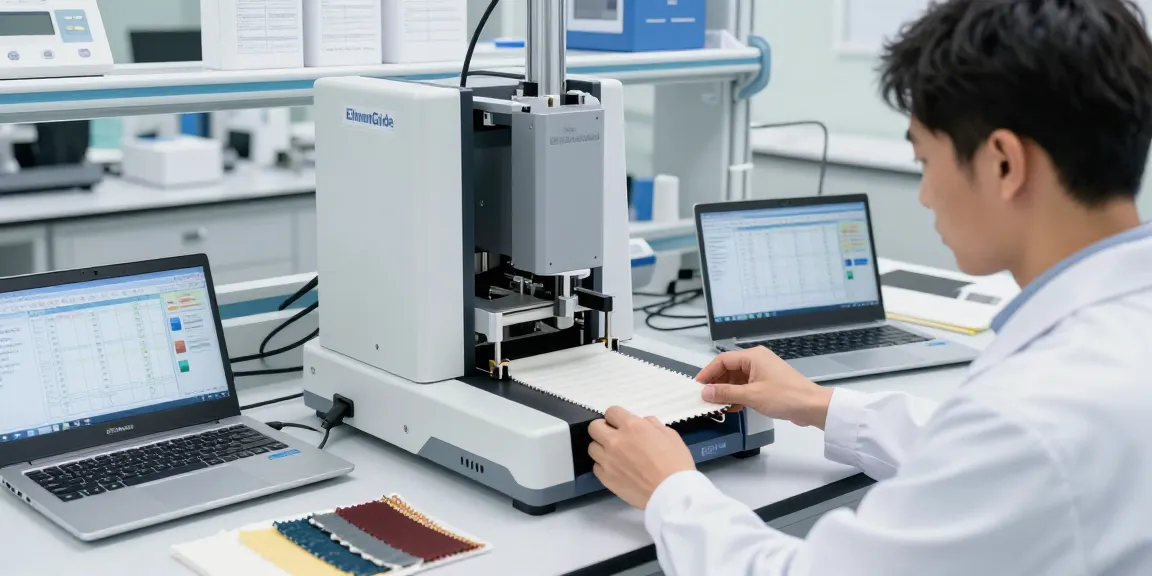
Understanding Tear Resistance Test Fundamentals
The tear resistance test is essential for evaluating the durability of materials, particularly in industries that rely on fabric, plastics, and paper. This standardized procedure measures the force required to propagate a tear in the material, providing critical data on its strength and reliability. As professionals seek innovative solutions for quality control, understanding the nuances of this testing method is paramount. When exploring options, tear resistance test equipment designed to meet modern challenges can enhance your lab’s capabilities significantly.
What is a Tear Resistance Test?
The tear resistance test assesses how well a material can withstand tearing forces. This is particularly important in textiles, where the integrity of the fabric is critical for performance and safety. During the test, a specimen is subjected to a controlled force until a tear propagates, and the energy required to do so is measured. This data helps manufacturers ensure that their products meet strict quality standards.
Importance of Measuring Tear Strength
Measuring tear strength is vital for various reasons:
- Quality Assurance: Ensures that products can withstand real-world conditions.
- Safety Compliance: Many industries have strict safety regulations that require specific tear strength levels.
- Cost Reduction: Identifying weak materials can prevent costly product recalls and customer dissatisfaction.
Common Applications Across Industries
Tear resistance tests are used in a broad range of sectors, including:
- Textiles: To assess clothing and upholstery durability.
- Packaging: To evaluate the strength of plastic films and paper products.
- Construction: To measure the tear resistance of roofing and waterproofing membranes.
Innovative Features of the ElmenGuide Tear Tester
Automated Testing Capabilities for Precision
The ElmenGuide Elmendorf Tear Tester is characterized by its full automation, which enhances test precision and reliability. By eliminating manual calculations, the tester provides results that are accurate to ±0.2%, significantly reducing the margin for error found in traditional methods. This level of automation allows for rapid testing, which is vital for labs that require high throughput.
Comparison: ElmenGuide vs. Traditional Testing Methods
When comparing the ElmenGuide to traditional tear testing methods, several advantages are evident:
- Speed: Automated systems drastically reduce testing times.
- Ease of Use: User-friendly designs allow operators at all skill levels to perform tests effectively.
- Data Management: IoT integration enables real-time data collection and management.
Compliance with International Standards
Ensuring compliance with international standards is crucial for manufacturers. The ElmenGuide meets various global standards, including:
- ASTM D1424
- BS ISO 13937-1
- GB/T 3917.1
- ISO 4674-2
Such compliance not only facilitates smoother audits but also serves as a selling point in international markets.
Best Practices for Conducting Tear Resistance Tests
Preparing Samples for Accurate Results
Proper sample preparation is key to achieving reliable test results. Ensure that samples are:
- Clean and free from contaminants.
- Uniform in thickness to avoid inconsistencies.
- Cut to the specified dimensions accurately.
Optimizing Test Conditions and Settings
To maximize the accuracy of tear tests, operators should optimize test conditions by:
- Calibrating the equipment regularly.
- Maintaining a controlled environment to avoid variations in temperature and humidity.
- Following manufacturer guidelines for settings and configurations.
Common Errors to Avoid During Testing
Common errors that can compromise test integrity include:
- Inconsistent sample preparation.
- Incorrect machine calibrations.
- Ignoring environmental factors such as humidity and temperature.
Real-World Case Studies and Applications
Fabric Testing in Textile Industries
In textile manufacturing, tear resistance testing is essential for ensuring fabric durability. For instance, companies producing outdoor gear require fabrics that can withstand tearing from environmental exposure. This testing helps select materials that meet performance expectations.
Performance Metrics in Quality Control Labs
Quality control labs use tear resistance tests to validate the strength of materials used in various products. Establishing baselines for tear strength ensures consistent quality and protects brand reputation.
Insights from User Experiences
Feedback from users of the ElmenGuide shows satisfaction with its ease of use and the accuracy of results. Many report improved testing efficiency and better data management capabilities, enhancing overall productivity.
The Future of Tear Resistance Testing
Emerging Technologies and Innovations
The future of tear resistance testing is poised for innovation, particularly with advancements in automation and IoT capabilities. These technologies promise to streamline testing processes and enhance data accuracy.
Trends Shaping the Textile Testing Industry
Current trends indicate a shift towards increased automation and digital integration within testing labs. Adopting these innovations can lead to enhanced efficiency and robust data analytics.
Preparing for 2026: Strategic Considerations for Labs
As we look ahead, labs need to adopt strategies that focus on technological advancements and continuous training. This will be crucial for remaining competitive in an ever-evolving industry.
Frequently Asked Questions
What is a tear resistance test?
A tear resistance test measures the force needed to propagate a tear in a material, providing insights into its durability and performance under stress.
How accurate is the ElmenGuide tear tester?
The ElmenGuide tear tester provides results with an accuracy of ±0.2%, making it one of the most precise testing options available.
What materials can be tested for tear resistance?
The tester can evaluate a variety of materials, including textiles, plastics, and thick paper, making it versatile for multiple industries.
How does automation improve testing processes?
Automation enhances testing processes by reducing human error, increasing speed, and allowing for real-time data monitoring and analysis.
What standards should tear resistance tests meet?
Tear resistance tests should comply with relevant international standards such as ASTM, ISO, and others specific to the industry to ensure reliability and acceptance in the market.



More Stories
Building Community Through the Construction Association
Key Strategies for Enhancing Your Construction Association’s Impact
Importance of a New York City Construction Manager for Successful Urban Projects