
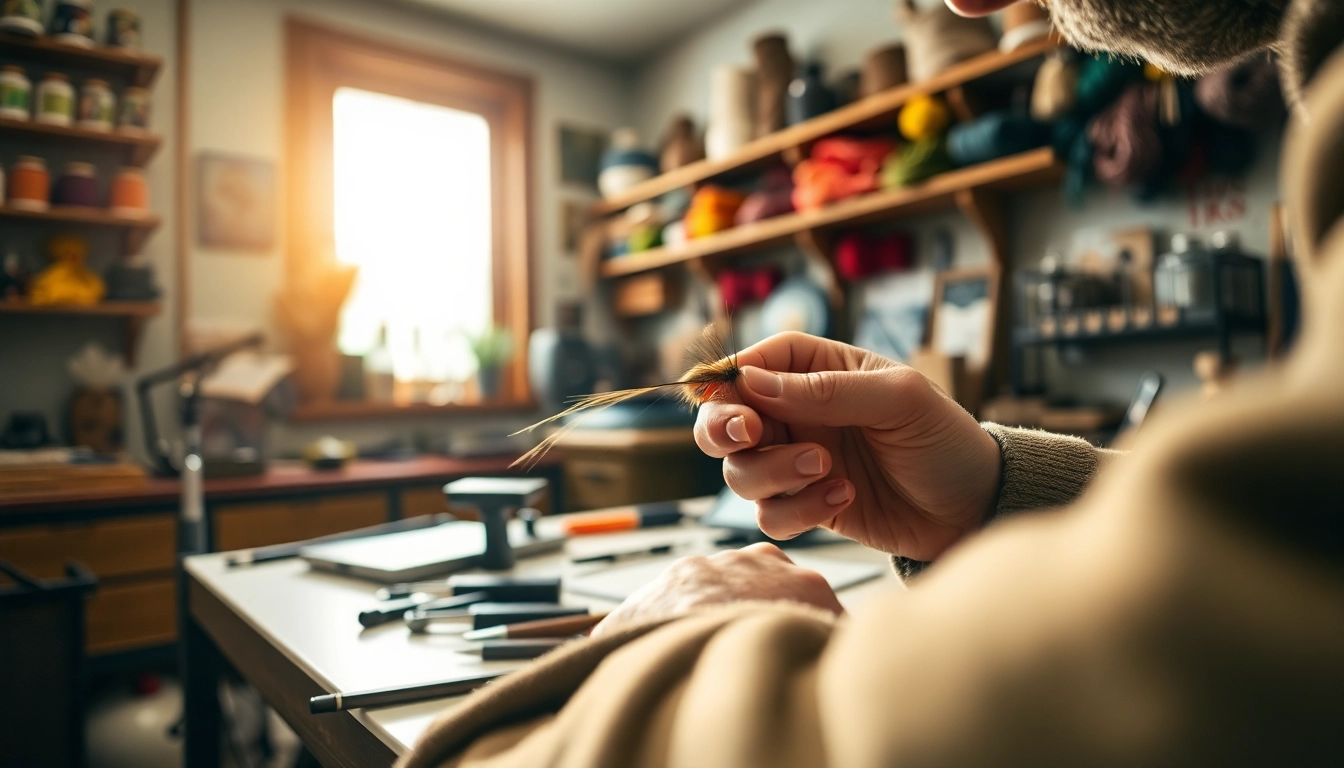
Introduction to Fly Tying
Fly tying is an essential skill for those who wish to enhance their fishing experience and connect with nature in a creative way. This craft involves creating artificial flies that resemble the insects and other food sources fish commonly eat. The artistry and technique involved not only foster a deeper understanding of fish behavior but also serve as a fulfilling hobby. Engaging in fly tying opens up a world of possibilities, transforming everyday fishing trips into extraordinary adventures.
Understanding the Basics of Fly Tying
At its core, fly tying is the process of constructing flies using various materials. Whether you’re an aspiring angler or a seasoned fisherman, understanding the basic components and techniques of fly tying lays the groundwork for success. Traditional fly patterns often include feathers, fur, and synthetic materials, wrapped or glued around a hook according to specific methods.
Importance of Fly Tying in Fishing
Fly tying is significant for several reasons. First, it allows anglers to create specific patterns that may not be readily available in local shops. This custom approach ensures that you have the right fly for the specific environment and species you are targeting. Second, the act of tying flies creates a deeper appreciation for the fishing process, as you’ll become more attuned to the patterns of nature, which in turn improves your fishing skills.
The Equipment You Need for Fly Tying
To get started with fly tying, you’ll need a few essential tools. A fly tying vise is critical, as it holds the hook securely while you work. Additional tools include scissors, bobbins, thread, and various adhesives. You’ll also need a selection of materials such as feathers, thread, furs, and synthetic materials. Investing in quality tools can make a big difference in your fly tying experience and the overall durability of your flies.
Essential Fly Tying Techniques
Choosing the Right Materials for Fly Tying
The choice of materials can profoundly impact the success of your flies. When selecting materials, consider not only their appearance but also their buoyancy, durability, and texture. For instance, using deer hair for dry flies can provide excellent floatation, while soft hackle feathers are ideal for creating lifelike movement in the water. Explore various materials and experiment with combinations to discover what works best for your style.
Step-by-Step Fly Tying Techniques
Mastering fly tying involves learning specific techniques that elevate your craftsmanship. A simple step-by-step process typically includes:
- Securing the hook in the vise.
- Applying thread to the hook shank.
- Addign materials according to the fly pattern.
- Wrapping and securing materials tightly.
- Finishing with a strong knot and glue if necessary.
Practicing these steps will help you gain confidence and precision, leading you to create more intricate and effective flies.
Common Mistakes in Fly Tying to Avoid
Even experienced tiers can make mistakes. Some common pitfalls include using too much or too little material, improper thread tension, and ignoring the specific fly pattern’s guidelines. To avoid these issues, take your time during each step, double-check your measurement of materials, and learn with each fly you create. Documenting your progress can also help you spot patterns in your mistakes and rectify them.
Advanced Fly Tying Patterns
Popular Fly Tying Patterns for Different Fish
Different species of fish respond to various fly patterns. For example, the Clouser Minow is a go-to for bass, while the Dry Adams is ideal for trout. Understanding the behavior of your target fish and the insects they feed on can help you select or design the ideal fly patterns to use. Research local insect hatches, seasonal changes, and even water conditions to optimize your fly selection.
Creating Custom Fly Patterns
Creating custom fly patterns is where the art of fly tying truly shines. Start with a basic established pattern and modify it by adding, changing, or removing elements. This could include altering the color scheme or the material’s texture. Keep track of your modifications and note which are more effective in various fishing conditions, allowing you to refine your designs over time.
Techniques for Enhancing Fly Designs
Enhancing fly designs can involve various techniques. Incorporating flash materials can add visual appeal, while specific wrapping techniques can create unique shapes and movement in the water. Experimenting with weighted materials can also affect how a fly sinks or floats. Exploring new techniques, attending workshops, and engaging with the fly-tying community can foster inspiration and growth in your craft.
Best Practices for Successful Fly Tying
Maintaining Your Fly Tying Tools
Proper maintenance of your tools ensures that they last longer and perform effectively. Regularly clean your scissors and bobbins to prevent material buildup, and store your tools in a dry, organized manner. Inspect your vise and replace any broken parts promptly to avoid any interruptions while tying flies. Routine maintenance allows you to focus on your creative process without distractions.
Organizing Your Fly Tying Workspace
An organized workspace is crucial for effective fly tying. Consider designating specific areas for tools, materials, and finished flies. Utilize small containers or trays to keep materials sorted by type or color, which allows for easy access while tying. An uncluttered workspace promotes efficiency and creativity, so take the time to set it up for your needs.
Safety Tips for Fly Tying
Safety should always be a priority in any craft. When utilizing sharp tools, make sure to cut away from your body and use protective eyewear if you’re using adhesives. Be aware of your surroundings and ensure that small materials are stored safely to prevent choking hazards, especially if children or pets are nearby. Following these safety tips will help create a secure and enjoyable tying environment.
FAQs About Fly Tying
What is fly tying?
Fly tying is the craft of making artificial flies used in fly fishing to attract fish. It involves wrapping various materials around a hook to create lifelike imitations of insects and other prey.
What materials are needed for fly tying?
Essential materials include hooks, thread, feathers, fur, and synthetic fibers. Various tools such as scissors, a bobbin, and a vise are also necessary.
How long does it take to learn fly tying?
The time to learn fly tying varies; beginner patterns can take a few hours to tie, while mastering more complex fly designs can take months or even years with practice.
Can I sell my fly tying creations?
Yes, many fly tiers sell their creations. If you do so, ensure that your flies meet quality standards and consider marketing them to local fishing shops or online platforms.
What is the best way to store tied flies?
Store tied flies in a dry, cool place. Use fly boxes with compartments to prevent them from getting crushed or damaged. Clear boxes can also help you see and select flies easily.



More Stories
Top 10 Hobbies to Enrich Your Leisure Time Effectively
Master Cricut SVG Techniques for Stunning 2026 Projects