
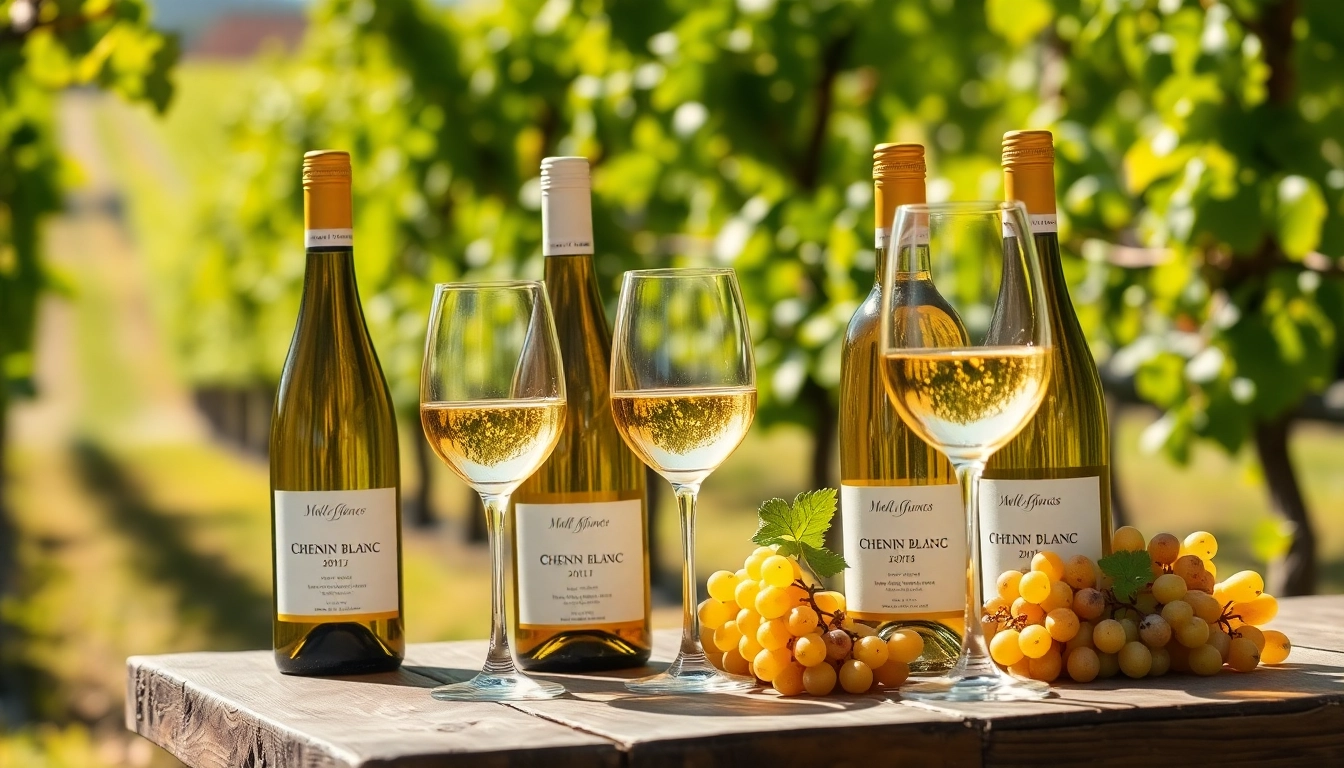
The Essence of Chenin Blanc
Chenin Blanc stands as one of the most versatile and beloved grape varieties in the wine world. Its origins trace back to the Loire Valley of France, where it has flourished for centuries. Known for its remarkable adaptability and a wide range of flavor profiles, Chenin Blanc can produce everything from dry to sweet wines. The grape isn’t just appreciated for its taste; it plays a significant role in various culinary experiences. For those seeking to deepen their understanding of Chenin Blanc, its tasting notes, and food pairings, Chenin Blanc offers endless possibilities and nuances. Let’s explore the factors that contribute to its character and variety.
Barrel Aging and its Effects
Barrel aging is a pivotal factor in transforming Chenin Blanc into unique wines. The type of oak used, the duration of aging, and the conditions in which the barrels are stored can significantly influence the wine’s profile. French oak tends to impart a more subtle flavor, with creamy textures and spicy nuances, while American oak can impart more overt vanilla and coconut notes. For instance, a Chenin Blanc that has been aged in oak barrels may exhibit richer aromas, a fuller body, and enhanced complexity, contrasting sharply with its unoaked counterpart, which often retains its bright acidity and pure fruit characteristics. The aging process also affects the development of secondary aromas like toast and nuttiness, creating a symphony of flavors that invite exploration.
Tasting Notes and Aromas
The tasting notes of Chenin Blanc vary widely depending on its growing conditions, winemaking techniques, and maturity. Young Chenin Blanc is often characterized by vibrant acidity and alluring aromas of green apple, pear, and citrus fruits. As it matures, the wine may develop notes of peach, honey, and even floral components, adding layers to its bouquet. A well-crafted Chenin Blanc can also showcase minerality—reminiscent of wet stones or chalk—which enhances its complexity. The palate can range from crisp and refreshing to rich and luscious, allowing Chenin Blanc to cater to diverse taste preferences.
Regional Variations of Chenin Blanc
Chenin Blanc thrives in various regions around the globe, each imparting distinct characteristics to the wine. In the Loire Valley, it is regarded as a noble grape, producing some of the world’s finest examples. Savennières, for instance, typically exhibits a robust structure with a remarkable ability to age, showcasing depth and complexity. Meanwhile, in Vouvray, Chenin Blanc is often off-dry, emphasizing floral aromas and a sweeter flavor profile. Outside France, South Africa has embraced Chenin Blanc as its flagship variety, with some producers exploring innovative methods that blend traditional styles with modern techniques. The diversity in growing conditions, from soil types to climates, highlights how regional factors contribute to the unique expressions of Chenin Blanc.
Food Pairing with Chenin Blanc
Food pairing can elevate the dining experience, and Chenin Blanc’s versatility makes it a fantastic companion to various cuisines. Its acidity and flavor profile allow it to complement a wide range of dishes, making it a staple for both casual meals and elegant dinners. Choosing the right food to accompany Chenin Blanc can enhance its attributes and bring out the wine’s best qualities.
Pairing with Seafood
Seafood dishes pair exquisitely with Chenin Blanc, thanks to its bright acidity and refreshing notes. Oysters and clams are classic pairings, with the wine’s minerality reflecting the saline qualities of the seafood. Grilled fish, especially those with a citrus marinade, can also benefit from the crispness of a dry Chenin Blanc, allowing the wine to mirror the dish’s vibrant flavors. Furthermore, buttery sauces or rich seafood dishes continue to find a match with more textured, oak-aged Chenin Blancs, where the wine’s creaminess can enhance the meal’s richness.
Complementing Light Dishes
For light dishes such as salads, chicken, or vegetable-based meals, a well-chilled Chenin Blanc serves as a refreshing partner. Its bright acidity and notes of citrus and green apple can accentuate the freshness of salads, while its fruit-forward characteristics can enhance dishes like grilled chicken or vegetarian stir-fries. When preparing light pasta or grain-based dishes topped with herbs, the crispness of Chenin Blanc can accentuate the botanical elements, creating a delightful sensory experience.
Appropriate Cheese Choices
Cheese lovers will find Chenin Blanc an exceptional companion for various cheese pairings. Soft cheeses like goat cheese or Brie work well with a young Chenin Blanc, as the acidity cuts through the creaminess and balances the flavors. On the other hand, aged cheeses, such as sharp cheddar or blue cheese, can be elegantly complemented by richer, oak-aged Chenin Blancs, where the wine’s complexity harmonizes with the intense flavors of the cheese. The interplay between the cheese and the wine can lead to a remarkable gastronomic experience that delights the palate.
How to Serve Chenin Blanc
Serving Chenin Blanc correctly can enhance its attributes and offers the best tasting experience. Understanding optimal serving techniques—from temperature to glassware—can elevate even the simplest wine occasions.
Optimal Serving Temperature
The ideal serving temperature for Chenin Blanc typically ranges from 45°F to 55°F (7°C to 13°C). Serving it too warm may diminish its refreshing qualities, while serving it too cold can mask its dimensions. For lighter, unoaked styles, aim for the lower end of the temperature spectrum, while richer, oak-aged Chenin Blancs can be served at a slightly warmer temperature to allow the complexity to unfold. Investing in a wine thermometer can assist in achieving the perfect chill before serving.
Glassware Recommendations
The choice of glassware also plays an essential role in the tasting experience. A standard white wine glass is suitable, as it provides a narrow opening to concentrate the aromas. Alternatively, a slightly larger glass allows for enhanced aeration, especially for older, more complex Chenin Blancs. Ideally, select a glass that brings attention to the wine’s aromas yet facilitates easy sipping, enhancing the overall enjoyment of this splendid varietal.
Decanting vs. Not Decanting
Decanting is frequently considered for older, complex wines, but it’s generally unnecessary for younger, fresh Chenin Blancs. While decanting can help them open up, the vibrant flavors of young Chenin Blanc are often best showcased directly from the bottle. However, if you’re enjoying a wine with significant oak influence or intricate aging, a brief period of decanting may enhance its aromatic profile. Again, assessing the specific wine and its characteristics can help determine the best approach.
The Winemaking Process of Chenin Blanc
The creation of Chenin Blanc encompasses several critical stages, from harvest to fermentation, all contributing to the final product. Each stage presents opportunities for the winemaker to influence the wine’s characteristics significantly.
Harvesting Techniques
The decision on when to harvest Chenin Blanc is paramount, as it directly affects sugar levels, acidity, and flavor profiles. Grapes can be hand-harvested or machine-harvested, easing the labor burden. However, hand-harvesting allows for greater selection, ensuring only the best grapes are chosen at optimal ripeness. The time and method of harvesting can greatly influence the wine’s expression, making this initial step critical for quality.
Fermentation Methods
Once harvested, Chenin Blanc grapes undergo fermentation, where sugars are converted into alcohol. Winemakers have choices regarding yeast strains, which can significantly affect the final flavor. Indigenous yeasts may bring more complexity and terroir expression, while cultivated yeasts can produce more predictable results. Fermentation conditions, such as temperature and duration, also play a pivotal role in shaping the wine’s characteristics, affecting aromas, body, and taste. Some winemakers may opt for malolactic fermentation to soften acidity and enrich texture, further enhancing the wine’s profile.
Role of Terroir in Flavor Profile
Terroir—the unique combination of soil, climate, and geography—significantly influences the flavor profile of Chenin Blanc. Different soil types, from clay to limestone, affect the vine’s nutrient uptake, leading to subtle variations in taste. The climate also plays a critical role; cooler climates typically yield wines with higher acidity and fresh fruit flavors, while warmer regions produce riper, richer options. Understanding and embracing terroir is vital for winemakers, as it shapes the identity of their Chenin Blanc and allows them to convey the essence of their unique location in every bottle.
Exploring Chenin Blanc FAQs
What is Chenin Blanc best known for?
Chenin Blanc is best known for its versatility, producing various styles ranging from dry to sweet, showcasing vibrant acidity and compelling flavors.
Can Chenin Blanc be sweet?
Yes, Chenin Blanc can be sweet, especially in styles like Vouvray, where off-dry to sweet wines highlight its fruity and floral characteristics.
Is Chenin Blanc good for aging?
Chenin Blanc has excellent aging potential, especially in regions like the Loire Valley, where well-crafted bottles can develop complex flavors over years.
What foods go best with Chenin Blanc?
Chenin Blanc pairs well with seafood, light dishes, salads, and various cheese, thanks to its acidity and complexity accommodating different flavors.
How should I store Chenin Blanc?
Store Chenin Blanc in a cool, dark place with a consistent temperature. Keep bottles upright to minimize contact with the cork, preventing spoilage.




More Stories
Delicious Recipes and Tips for Healthy Eating Today
Tantalizing Culinary Adventures at Clarksburg ca Restaurants