
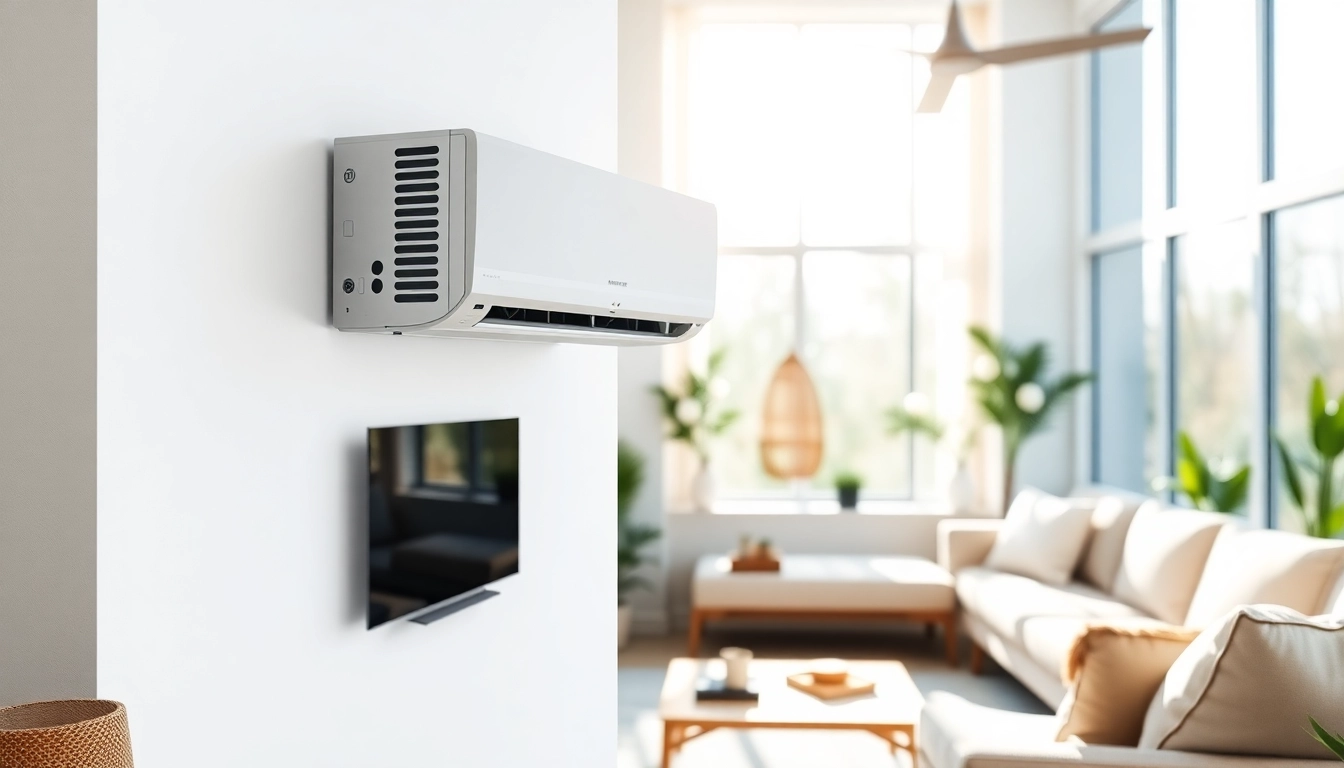
Understanding Mitsubishi Mini Split AC Technology
What is a Mini Split System?
A mini split system is a type of air conditioning system that consists of two main components: an outdoor unit and one or more indoor units. Unlike traditional HVAC systems that rely on ductwork to distribute air, mini split systems utilize a direct, efficient way to cool or heat your indoor space. They are particularly favored for their flexibility and ease of installation, making them ideal for homes and businesses where ductwork is not feasible. Mitsubishi mini split ac units are among the most popular choices on the market due to their reliability and advanced technology.
Key Features of Mitsubishi Mini Split AC
Mitsubishi mini split AC systems are equipped with several key features that set them apart from standard air conditioning models. Firstly, they exhibit remarkable energy efficiency, often achieving SEER (Seasonal Energy Efficiency Ratio) ratings well above 20. This level of efficiency translates to significant savings on energy bills. Secondly, they offer advanced filtration systems that reduce allergens and enhance air quality, making them especially beneficial for allergy sufferers. Additionally, they come with smart technology integration, allowing users to control the system remotely with smartphones or other devices.
How Mitsubishi Mini Split AC Works
The operation of a Mitsubishi mini split AC system is based on the principles of refrigeration. The outdoor unit absorbs heat from the outside air and transfers it to the indoor unit through refrigerant lines. When cooling is needed, the refrigerant evaporates at low pressure in the indoor coil, absorbing heat from the indoor air. The cooled air is then circulated into the room. This process is reversed when heating is desired, allowing these systems to provide year-round comfort. This dual functionality, coupled with a high efficiency, positions Mitsubishi mini splits as a favorite among homeowners.
Benefits of Mitsubishi Mini Split AC
Energy Efficiency and Cost Savings
One of the standout benefits of Mitsubishi mini split AC units is their energy efficiency. These systems utilize inverter technology, which adjusts the compressor speed according to the cooling demands of the space. This ability to modulate power use prevents the unit from operating at peak capacity when it’s not needed, leading to reduced electricity consumption. Over time, homeowners can experience significant cost savings on their energy bills. In many cases, users report savings of up to 30% compared to traditional air conditioning systems.
Flexible Installation Options
Mitsubishi mini split AC systems are incredibly flexible when it comes to installation. They can be mounted on walls, ceilings, or even set to operate as floor consoles, depending on the layout of the space. Moreover, because there is no need for ductwork, the installation process is often quicker and less intrusive than central AC systems. This flexibility not only accommodates a variety of home designs but also offers building owners the ability to condition individual rooms or zones independently.
Quiet Operation for Better Comfort
Unlike traditional air conditioning systems, which can be noisy and disruptive, Mitsubishi mini split AC units are designed for quiet operation. Most models operate at sound levels as low as 19 decibels, which is comparable to a whisper. This quiet performance is exceptionally beneficial for bedrooms, offices, or any space where maintaining a serene environment is important. By prioritizing noise reduction, Mitsubishi enhances the overall comfort of living and working spaces.
Choosing the Right Mitsubishi Mini Split AC Model
Factors to Consider Before Buying
When looking to purchase a Mitsubishi mini split AC system, several critical factors should be considered to ensure you find the right model for your needs. First and foremost, consider the size of the space you wish to cool or heat. The capacity of the unit, measured in BTUs (British Thermal Units), must match the square footage of the room. Additionally, think about your specific climate needs, such as whether you require cooling, heating, or both. It’s also insightful to examine features such as smart technology compatibility, energy efficiency ratings, and filtration systems.
Comparing Different Models
Mitsubishi offers a variety of mini split models tailored for different environments and needs. For instance, some models focus on energy efficiency, while others provide advanced air filtration or enhanced heating capabilities. When comparing various models, consider reviewing product specifications thoroughly and consult online resources and customer reviews for real-world performance insights. Making an informed choice will facilitate a smoother installation process and ensure long-term satisfaction with your cooling system.
Understanding BTU Ratings and Room Sizes
The BTU rating of a Mitsubishi mini split AC unit directly correlates with its capacity to cool or heat a given space. A unit’s effectiveness diminishes if the BTU rating is too low for the room size, leading to inefficiency and discomfort. Conversely, an excessively high BTU rating can lead to short cycles, which may not adequately dehumidify the air. As a general guideline, 20 BTUs can adequately cool one square foot of well-insulated space. Therefore, properly matching the BTU to the room size is crucial for optimal performance.
Installation and Maintenance of Mitsubishi Mini Split AC
DIY Installation vs. Professional Help
While some homeowners may be tempted to tackle the installation of a Mitsubishi mini split AC system themselves, it is often recommended to seek professional installation. The complexity of refrigerant lines, electrical connections, and ensuring proper placement can be challenging for those without prior experience. Additionally, a professional installer can provide valuable insights and ensure compliance with local codes. However, for those with technical skills, DIY kits do exist, allowing for some level of self-installation under certain conditions.
Regular Maintenance Tips for Longevity
To get the most out of your Mitsubishi mini split AC, regular maintenance is essential. Start by cleaning or replacing air filters every one to three months, depending on usage. Additionally, checking the outdoor unit for debris and ensuring proper airflow are crucial steps. Periodic professional maintenance is also advisable, as technicians can perform thorough inspections, refrigerant checks, and other tasks that a homeowner might overlook. Such proactiveness prevents common issues and extends the life of the unit.
Common Troubleshooting Issues
Even the most reliable systems can encounter issues over time. Some common problems include insufficient cooling or heating, strange noises, and electronic malfunctions. In cases of inadequate performance, verify that the air filters are clean and that the outdoor unit is clear of obstructions. Additionally, strange noises might indicate loose parts or issues with the fan. It’s important to consult the user manual for troubleshooting guidance and contact a professional if the problem persists.
FAQs about Mitsubishi Mini Split AC
How much electricity does a Mitsubishi mini split AC consume?
Mitsubishi mini split AC units are designed for energy efficiency, often using less energy than traditional systems. Actual consumption varies based on size, model, and usage patterns, but you can generally expect lower energy bills.
Can Mitsubishi mini split AC work in extreme temperatures?
Yes, Mitsubishi mini split AC units are engineered to perform effectively in a range of temperatures, including extremely cold climates, ensuring consistency in heating or cooling.
Is a Mitsubishi mini split AC suitable for larger spaces?
Yes, Mitsubishi offers units that can cool or heat larger spaces effectively. The key is to select an appropriately sized model considering the BTU rating.
What is the average lifespan of a Mitsubishi mini split AC?
With proper maintenance, a Mitsubishi mini split AC can last around 15 to 20 years, making them a worthwhile investment in long-term comfort.
How often should I service my Mitsubishi mini split AC?
It is recommended to service your Mitsubishi mini split AC at least once a year. Regular maintenance ensures optimal performance and longevity, helping you avoid costly repairs down the line.


More Stories
How Modest Fashion Upgrades Your Personal Style Quality
Boosting Custom Keychains Shopping Efficiency with Proven Strategies
How to Simplify Ordering Roxicodone for Better Health Outcomes