
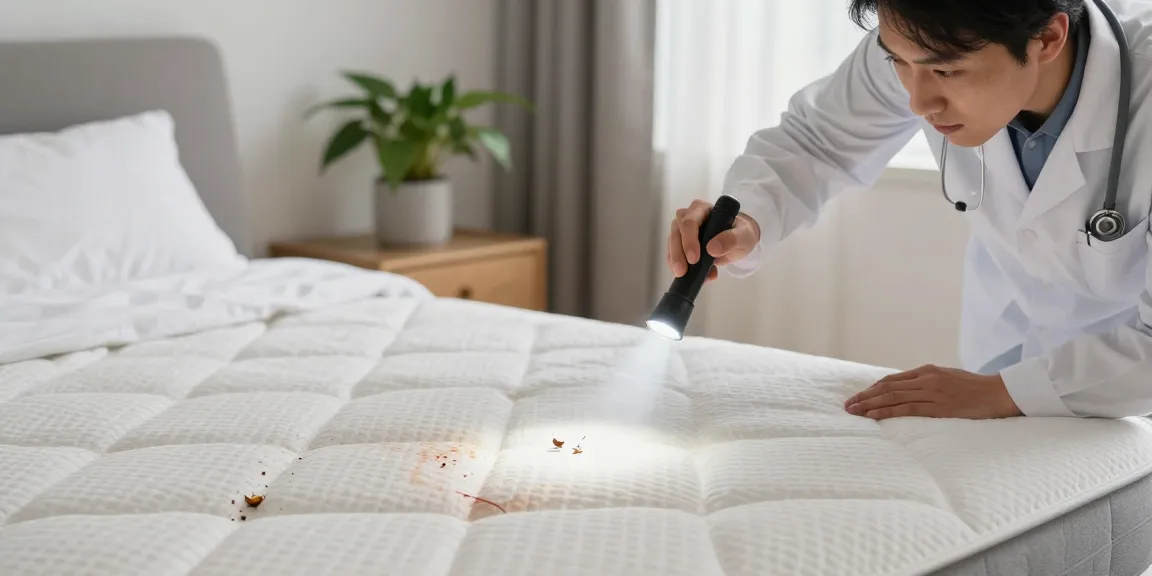
Understanding Bed Bugs: The Basics
Bed bugs are small, wingless insects that feed on the blood of humans and animals, often causing discomfort and anxiety due to their nocturnal feeding habits. These pests have become increasingly prevalent in urban areas, making effective bed bug removal strategies more essential than ever. The resurgence of bed bugs is largely attributed to increased travel, secondhand furniture purchases, and the effectiveness of their advanced survival strategies. Understanding the basics of bed bugs is the first step to successful eradication.
What Are Bed Bugs and How Do They Infest?
Bed bugs belong to the Cimex lectularius species and can be found in various environments, including homes, hotels, and dormitories. They are adept hitchhikers, easily transported in luggage, clothing, and furniture. Once introduced to a new location, bed bugs begin to reproduce rapidly, with females laying up to 500 eggs during their lifetime. These eggs hatch into nymphs, which mature into adults in about 5 weeks under ideal conditions.
Signs of an Infestation: Recognizing the Problem
Identifying a bed bug infestation early can save a lot of trouble. Common signs include:
- Itchy red welts on the skin, often in lines or clusters
- Dark spots on bedding or furniture, which are fecal matter
- Unusual sweet, musty odors in the area
- Visible bed bugs in mattress seams, headboards, or wall cracks
Health Risks Associated with Bed Bugs
While bed bugs are not known to transmit diseases, their bites can lead to significant discomfort and allergic reactions. The psychological impact of an infestation, including sleep disruption and anxiety, can also pose health risks. Understanding these factors emphasizes the importance of seeking effective pest control solutions.
Effective Bed Bug Removal Techniques
To combat bed bugs, a mix of strategies is often the most effective approach. By understanding your options, you can devise a comprehensive plan for bed bug removal that is tailored to your specific situation.
Heat Treatment: A Proven Method for Bed Bug Extermination
Heat treatment is a powerful method that raises the temperature in an infested area to levels lethal to bed bugs (around 120°F). This eco-friendly approach is effective against all life stages, including eggs. Heat treatment ensures that bed bugs hiding in difficult-to-reach areas are eliminated without the need for harsh chemicals.
Chemical Treatments: When and How to Use Them
Chemical treatments involve the application of specially formulated pesticides to eliminate bed bugs. These treatments can create residual barriers that last for several months. While chemical sprays can be effective, they are typically best used in conjunction with other methods to ensure complete removal.
Integrated Pest Management: Combining Approaches for Success
Integrated Pest Management (IPM) utilizes a comprehensive approach that combines multiple strategies such as heat, chemicals, and even mechanical methods like vacuuming. By assessing the unique characteristics of your situation, an IPM strategy can be developed to provide long-lasting results.
Preparing Your Home for Bed Bug Removal
Proper preparation can significantly improve the effectiveness of bed bug removal treatments. Understanding what steps to take beforehand can help ensure that the extermination process goes as smoothly as possible.
Steps to Take Before Treatment
Before any treatment takes place, homeowners should:
- Clean and declutter the affected areas to provide easy access for exterminators.
- Wash bedding, linens, and clothing in hot water to kill any bed bugs present.
- Seal items that cannot be washed in plastic bags to contain the pests.
How to Protect Your Belongings During Extermination
During the extermination process, it’s crucial to safeguard personal items. Store clothes and other belongings in sealed plastic containers and avoid moving items from one room to another, which could spread the infestation.
Common Mistakes to Avoid in Preparation
Some common pitfalls when preparing for bed bug removal include:
- Ignoring signs of infestation until they worsen
- Attempting DIY treatments before consulting professionals
- Failing to follow preparation guidelines provided by exterminators
Aftercare: Ensuring Long-Lasting Bed Bug Prevention
Once treatment is complete, ongoing monitoring and maintenance are crucial to prevent re-infestation. Being proactive can save you from future headaches and expenses.
Post-Treatment Inspection: What to Look For
Regular inspections post-treatment are essential to confirm complete eradication. Look for any signs that may indicate a return of bed bugs, such as new bites, fecal stains, or live bugs.
Preventative Measures to Keep Your Home Bed Bug-Free
To prevent future bed bug infestations, consider the following measures:
- Use mattress encasements to trap and prevent bed bugs from entering.
- Regularly vacuum and clean your home, especially in common hiding spots.
- Be cautious when traveling or purchasing secondhand items; inspect luggage and clothing before bringing them indoors.
Ongoing Monitoring and Maintenance Tips
Schedule regular pest control checks with professionals, especially if you live in a high-risk area for bed bugs. Understanding their behavior and performing periodic inspections can help catch any issues early.
Case Studies and Customer Testimonials
Real-world experiences can provide valuable insights into the effectiveness of bed bug removal strategies. Here are a few successful case studies from Milwaukee residents.
Successful Bed Bug Removal Stories from Milwaukee Residents
Numerous clients have successfully eradicated bed bugs through our comprehensive treatment plans. One notable case involved a local family who had a severe infestation affecting their children’s bedroom. After utilizing our heat treatment in conjunction with chemical sprays, they reported complete elimination within a week.
Expert Insights: Lessons Learned from Real Cases
Experts often emphasize the importance of quick action. Most infestations can be managed successfully if addressed promptly. Delaying treatment can lead to exponential growth in the bed bug population, making removal much more difficult.
The Importance of Professional Help in Bed Bug Removal
While DIY methods might seem appealing, effective bed bug removal typically requires professional intervention due to the insects’ resilience and ability to hide. Professional exterminators use more potent products and possess the training to recognize and address infestations effectively.
What is the average cost of bed bug removal?
The cost of bed bug removal can vary greatly depending on the size of the infestation and the methods used. On average, homeowners can expect to pay anywhere from $300 to $2,000. Investing in professional services ensures thorough treatment and lasting results.
Can I treat bed bugs myself?
While some homeowners may attempt DIY treatments, the complexity of bed bug removal often necessitates professional help. Many over-the-counter products fail to eliminate all bugs and their eggs, leading to re-infestation.
How long does bed bug treatment take?
The duration of treatment can vary based on the severity of the infestation, but typically, initial treatments may take 1-3 days, followed by follow-up inspections to ensure all bed bugs have been eradicated.
What signs indicate bed bugs are gone?
After treatment, residents should look for signs of improved conditions, such as reduced itchy bites, no visible bugs, and a lack of blood stains or fecal spots on bedding.
How can I prevent future bed bug infestations?
Preventing future infestations involves regular monitoring, being cautious when traveling or buying used furniture, and maintaining a clean living environment. Proactive measures can significantly reduce the risk of encountering bed bugs again.




More Stories
Schimbarea înființării ONG: De ce activiștii comunitari își adaptează strategiile în 2026
The True Value of Pay Monthly Websites for Small Businesses in 2026
4 Essential Marketplace for Service Businesses Principles for Effective Growth