
Introduction to the Sandakphu Trek
Overview of the Trek
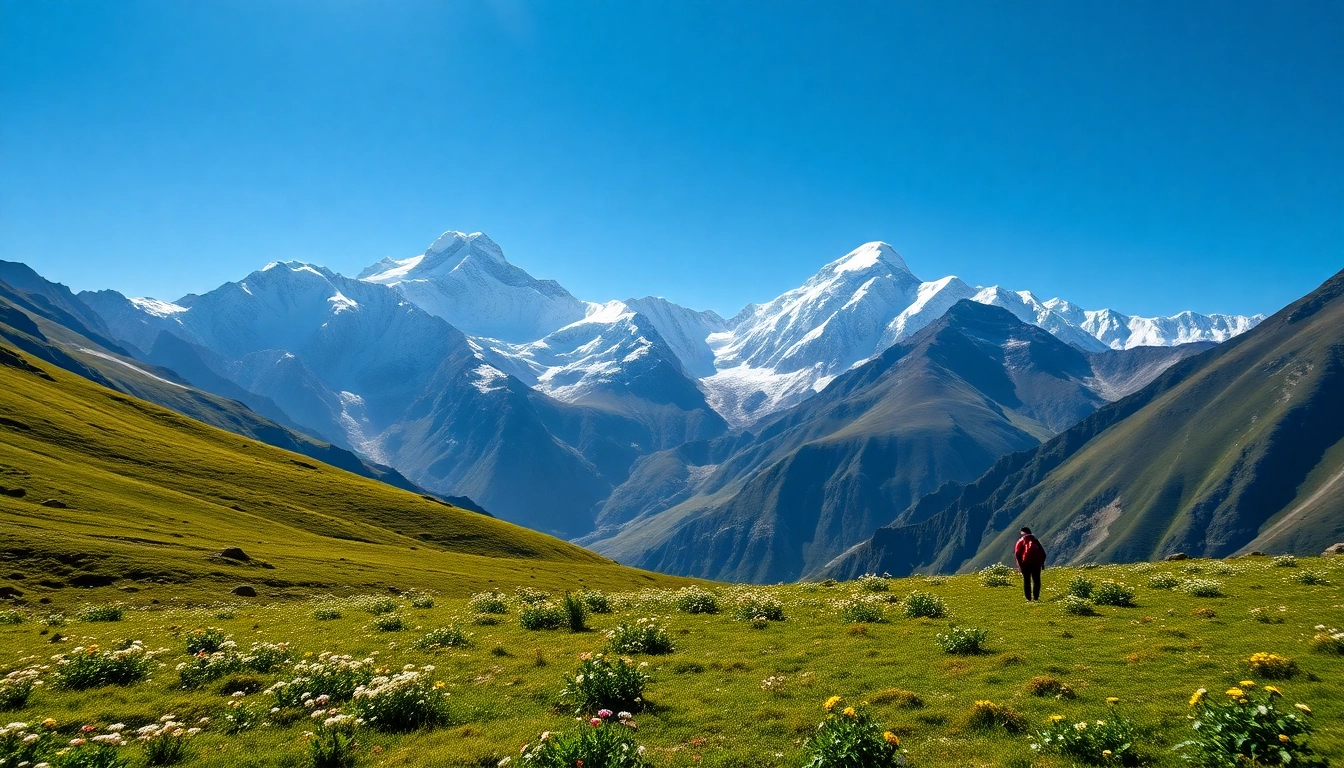
Embarking on the sandakphu trek offers an exhilarating blend of adventure, breathtaking vistas, and rich cultural experiences. The trek, recognized for its magnificent grandeur, showcases four of the world’s highest peaks: Mount Everest, Kangchenjunga, Lhotse, and Makalu. Situated in West Bengal, India, this picturesque trail draws both seasoned trekkers and enthusiastic beginners alike, providing an unparalleled journey through the Himalayan landscape.
Geographical Significance of Sandakphu
Standing tall at approximately 3,636 meters (11,929 feet) above sea level, Sandakphu is not only the highest peak in West Bengal but also boasts a unique geographical position. The trek trails along the India-Nepal border, allowing trekkers a glimpse of the The Sleeping Buddha, a stunning panoramic view where four towering Himalayan giants coexist. The geographical diversity of the region, with its rugged terrains and lush meadows, enriches the trekking experience, making it more than just a physical endeavor, but also a communion with nature.
Unique Features of the Trek
The Sandakphu trek is a trail that seamlessly marries adventure with serenity. One unique characteristic of this trek is the varying elevation, which means trekkers will encounter different climatic conditions within a short span. Moreover, the seasonal bloom of rhododendrons and other wildflowers during spring provides an explosion of colors along the trail. Additionally, the local culture, represented by vibrant villages like Tumling and Kalapokhri, gives trekkers the opportunity to engage with the diverse traditions and lifestyles of the ethnic communities residing in this remote area.
Preparation for the Sandakphu Trek
Fitness and Training Tips
To ensure a successful trek, physical preparation is paramount. Begin training at least a couple of months prior to your trip. Incorporate cardiovascular exercises such as running or cycling into your routine, aiming for at least 30 minutes a day, three to five times a week. Strength training is also vital, particularly exercises that focus on legs, core, and back to support the rigorous demands of trekking. Gradually incorporate day hikes into your regimen with a weighted backpack to simulate trekking conditions and improve stamina.
Essential Gear for Your Adventure
Having the right equipment can significantly enhance your trekking experience. Essential gear includes:
- Trekking boots: Properly fitted, waterproof boots will support your ankles and provide traction on diverse terrains.
- Clothing: Layered clothing is advisable, including moisture-wicking base layers, insulating mid-layers, and waterproof outer layers.
- Backpack: A comfortable backpack with adequate capacity (40-60 liters) is necessary for carrying your gear.
- Trekking poles: These help reduce strain on your knees, especially during descents.
- Hydration system: A reusable water bottle or hydration pack ensures you stay hydrated during the trek.
Acclimatization Strategies for High Altitude
Acclimatization is crucial to prevent altitude sickness. As you ascend, allow your body time to adjust to higher elevations. A recommended approach is to hike high and sleep low; after climbing to higher altitudes during the day, descend to your previously acclimatized altitude for the night. Stay hydrated, and consume meals rich in carbohydrates to fuel your body. Listening to your body is key; should symptoms of altitude sickness emerge, descend immediately.
Itinerary and Route Planning for Sandakphu Trek
Day-by-Day Trekking Schedule
The typical itinerary for the sandakphu trek spans 6 days, but variations may exist based on starting points and personal preferences. A typical schedule would include:
- Day 1: Drive to Manebhanjang, followed by a trek to Bhulbule (2,400m).
- Day 2: Trek from Bhulbule to Tumling (2,960m), a charming village offering spectacular vistas.
- Day 3: Proceed from Tumling to Kalapokhri (3,100m), a sacred pond encircled by folklore.
- Day 4: A strenuous ascent from Kalapokhri to Sandakphu (3,636m), where fabulous views await.
- Day 5: Return trek to Tumling, taking in views and enjoying the local hospitality.
- Day 6: Descend back to Manebhanjang to conclude the journey.
Stations and Campsites Along the Way
Each campsite along the Sandakphu trek represents a unique opportunity to experience local culture. Tumling offers simple lodges where trekkers can engage with locals, while Kalapokhri’s small guesthouses provide warmth and storytelling by the fireside at night. The journey provides strategic breaks, enabling trekkers to recharge while enjoying meals that blend local flavors with international cuisine.
Best Routes for Scenic Views
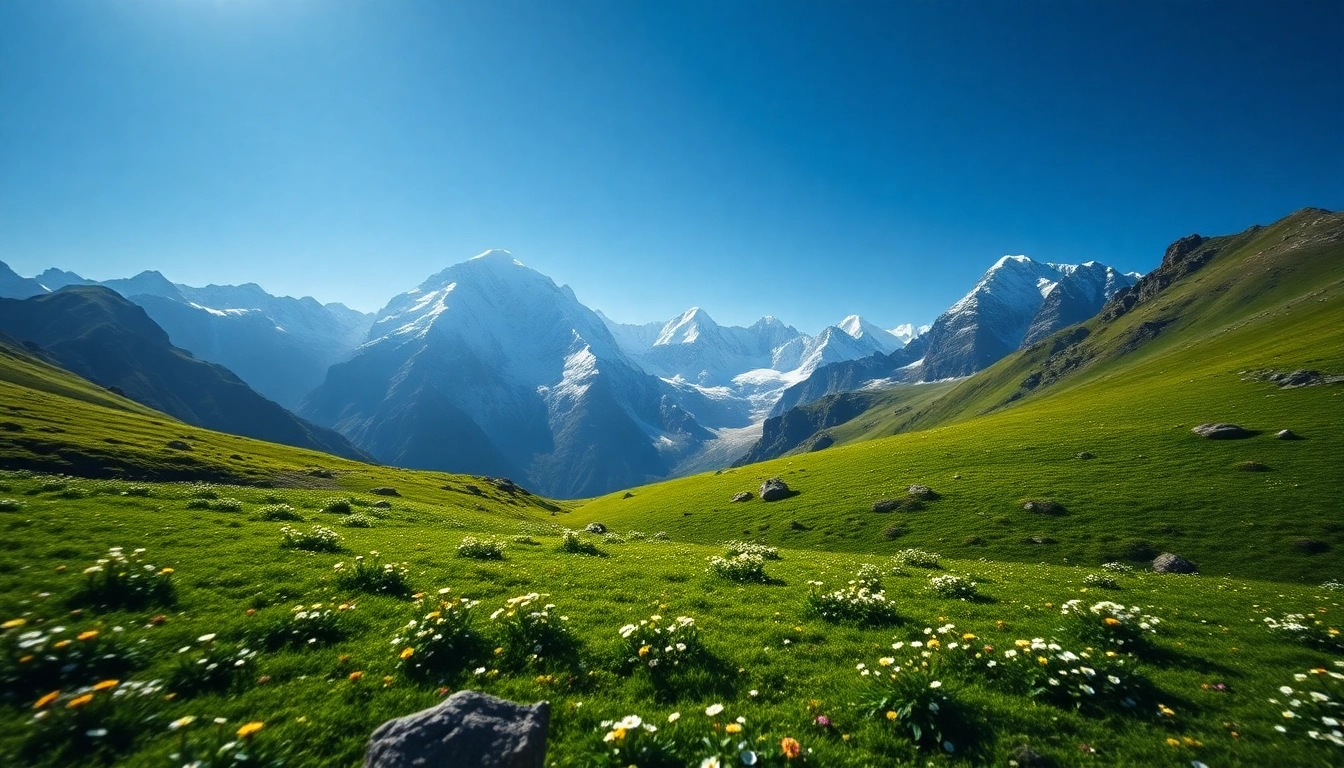
The trek features multiple routes with distinctive viewpoints. The path ascending to Sandakphu presents the climactic point from where trekkers can admire the mesmerizing panoramas of the towering peaks. The route from Tumling to Kalapokhri experiences fewer crowds, allowing avid photographers to capture breathtaking shots undisturbed. The landscape ranges from dense forests to lush meadows, making each ascent a memorable feast for the senses.
Best Time to Undertake the Sandakphu Trek
Seasonal Weather Patterns
Weather conditions significantly impact the trekking experience. Spring (March – April) is characterized by blooming rhododendrons and pleasant temperatures. This period presents clear views of the mountains, making it a prime choice. Monsoon (June – August) poses challenges due to heavy rainfall, leading to slippery trails. Autumn (September – November), however, is another popular season, offering crystal-clear skies and spectacular sights.
Off-Peak vs. Peak Seasons
Peak seasons witness a surge of trekkers, which can provide a lively atmosphere but may lead to crowded trails and accommodation challenges. Off-peak seasons could mean fewer tourists, allowing for a more immersive experience in tranquility. However, the trade-off could be unpredictable weather, so be prepared for sudden changes if trekking during these times.
Optimal Months for Trekking
The optimal months for completing the sandakphu trek typically include March, April, October, and November. These months strike a balance between pleasant temperatures, clear skies, and bustling wildlife. Each season brings its allure, and while early spring showcases flora, late autumn highlights the landscape’s stark beauty.
FAQs About Sandakphu Trek
Is the Sandakphu trek suitable for beginners?
The Sandakphu trek is considered easy to moderate, making it accessible for beginners in decent physical condition.
What should I pack for the Sandakphu trek?
Pack adequately insulated clothing, a good pair of trekking shoes, a water bottle, and trekking poles for comfort.
How long is the Sandakphu trek?
The trek generally spans about 50 kilometers and can be completed in 4 to 6 days, depending on the route.
What unique views can you see from Sandakphu?
Sandakphu provides stunning views of four of the world’s tallest peaks: Everest, Kanchenjunga, Lhotse, and Makalu.
Are there any accommodation options during the trek?
Yes, trekkers can find basic lodges and campsites at various points along the Sandakphu trek route.



More Stories
The trang chủ TR88 Shift: Why Travelers are Changing Tactics for 2026
How to Stay Safe While Using Yacht Rental Punta Cana in 2026
Agadir Car Rentals Official Walkthrough: A Comprehensive Guide for Your Adventure in 2026