
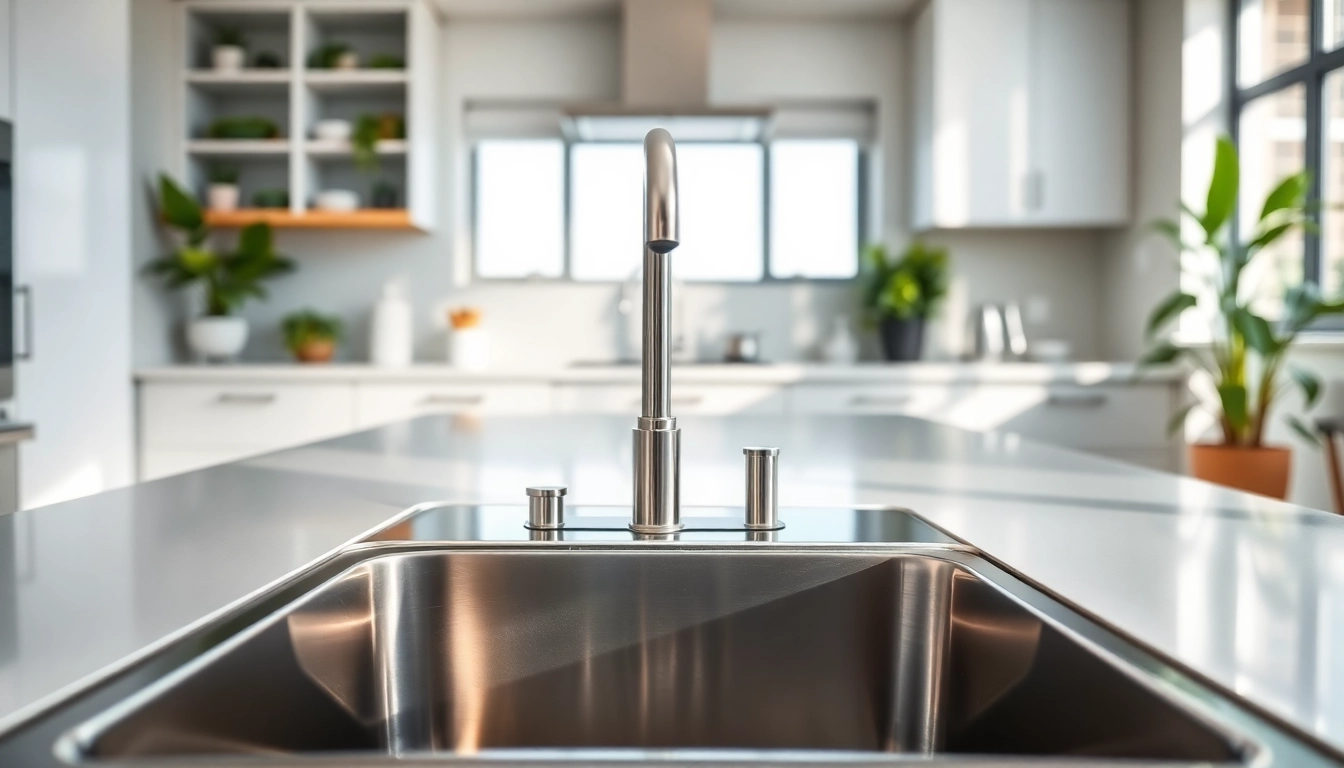
Introduction to Steel Sink
In the world of kitchen design and functionality, the choice of sink can significantly impact both usability and aesthetics. Among the various options available, the steel sink stands out for its durability and modern appeal. Whether you are renovating your kitchen or building a new one, understanding the features and benefits of choosing a steel sink is essential to making an informed decision.
What is a Steel Sink?
A steel sink is primarily made from stainless steel, a popular material known for its resistance to rust, corrosion, and staining. These sinks are designed to withstand the rigors of daily use in both residential and commercial kitchens. Steel sinks are versatile, offering a sleek appearance while delivering excellent durability. The surface of a steel sink can vary, featuring brushed, polished, or matte finishes that cater to different aesthetic preferences.
Benefits of Using Steel Sink
Choosing a steel sink comes with an array of advantages:
- Durability: Steel sinks are highly resistant to dents, impacts, and scratches, ensuring longevity.
- Hygienic: Stainless steel is non-porous, preventing bacteria growth and making cleaning straightforward.
- Heat Resistance: Steel sinks can resist high temperatures, allowing hot pots and pans to be placed directly inside without damaging the surface.
- Style Versatility: Available in various designs to suit contemporary, traditional, or industrial aesthetics.
- Environmentally Friendly: Steel is 100% recyclable and sustainable, making it a responsible choice for eco-conscious homeowners.
Types of Steel Sink Available
Steel sinks come in various types, each serving different purposes and styles:
- Drop-In Sinks: These are mounted above the counter, making them easy to install and replace.
- Under-Mount Sinks: Installed below the countertop, providing a seamless look and easier cleaning.
- Farmhouse Sinks: Characterized by a deep basin and exposed front, perfect for traditional kitchen designs.
- Single Bowl Sinks: Offer a spacious sink area, ideal for washing large pots and dishes.
- Double Bowl Sinks: Feature two separate compartments, allowing for multitasking in food prep and washing.
Choosing the Right Steel Sink
When selecting a steel sink, it is crucial to evaluate various factors that will influence your final choice.
Factors to Consider When Selecting a Steel Sink
Some key considerations include:
- Gauge: The gauge refers to the thickness of the stainless steel. Lower numbers indicate thicker steel which provides better durability and insulation.
- Finish: Choose between brushed, polished, or matte finishes based on your kitchen style and cleaning preferences.
- Size: Ensure the sink’s dimensions fit well within your kitchen layout, considering any cabinetry and countertops.
- Bowl Depth: One with sufficient depth will help manage larger pots and reduce splashes during use.
- Installation Type: Decide between drop-in or under-mount installations based on your aesthetic and practical needs.
Popular Styles and Designs
The design of a steel sink can significantly influence your kitchen’s ambiance. Some of the trending styles include:
- Modern Minimalist: Clean lines and simplistic designs that enhance contemporary spaces.
- Industrial: The robust look of stainless steel complements exposed fixtures and raw materials.
- Classic Designs: Farmhouse or apron-front styles add character and charm to traditional kitchens.
Comparative Analysis with Other Sink Materials
It’s essential to compare steel sinks with other materials to determine the best fit for your needs:
- Composite Sinks: Typically made from a blend of materials, these offer a different aesthetic with more color options but may lack the same heat resistance as steel.
- Granite Sinks: Known for their elegant appearance but can be more prone to chipping and require more maintenance than steel.
- Ceramic Sinks: While they can be stylish and are less prone to scratches, they can crack easily and are generally heavier.
Installation of Steel Sink
Installing a steel sink can be a straightforward process if approached methodically.
Preparing for Installation
Before diving into the installation, ensure you have all the necessary tools and materials, including:
- Measuring tape
- Silicone sealant
- Plumber’s putty
- Clips and brackets (if required)
- Wrench and screwdriver
Step-by-Step Installation Guide
- Measure the cutout size based on the sink model.
- Remove the existing sink if applicable, and clean the area thoroughly.
- Fit the new sink into place, ensuring a proper fit.
- Secure the sink using clips or brackets as required by the model.
- Apply silicone sealant around the edges to prevent water leakage.
- Reconnect plumbing fixtures and make sure everything is tightly sealed.
- Test the sink by running water and checking for leaks.
Common Installation Mistakes to Avoid
Common pitfalls during installation include:
- Insufficient sealing, leading to leaks.
- Improper measurements causing misalignment.
- Neglecting to secure the sink correctly, risking movement during use.
Maintenance and Care for Steel Sink
Maintaining a steel sink is essential to ensure it retains its aesthetic and functional qualities over time.
Daily Cleaning Tips
Regular cleaning is vital. Use a soft sponge with mild soap and warm water for daily maintenance to avoid scratching the surface.
Removing Stains and Rust
To tackle stubborn stains, create a paste using baking soda and water, apply it to affected areas, and scrub gently. For rust, specific rust remover can be applied, but ensure to follow product instructions carefully.
Long-term Care Strategies
To protect your sink in the long run, consider the following strategies:
- Avoid leaving acidic substances like lemon or vinegar on the steel surface for extended periods.
- Wipe down the sink after each use to prevent water spots and mineral build-up.
- Use a microfiber cloth for drying to avoid scratches and maintain shine.
Frequently Asked Questions
What is the cost range for a steel sink?
The cost of a steel sink generally ranges from budget-friendly options starting around $100 to premium models that can exceed $1,000, depending on features and finishes.
Can a steel sink dent easily?
While steel sinks are quite durable, they can dent under extreme force. Consider the gauge of the steel for enhanced resistance to dents.
How to remove scratches from a steel sink?
To remove scratches, use a specialized scratch remover or finer grit sandpaper, following the grain of the steel for best results.
Is a steel sink better than a ceramic sink?
Steel sinks are often considered better due to their durability, scratch resistance, and ease of maintenance, while ceramic sinks may chip and stain more easily.
How long do steel sinks last?
With proper care, steel sinks can last for decades—often outliving many other types of sink materials. Regular maintenance is key to their longevity.




More Stories
Understanding the Benefits and Features of American Standard HVAC Systems
Der perfekte Raum für die sonni Duschkabine: Design und Funktionalität vereinen
Transform Your Space with Stunning Elegant Showers