
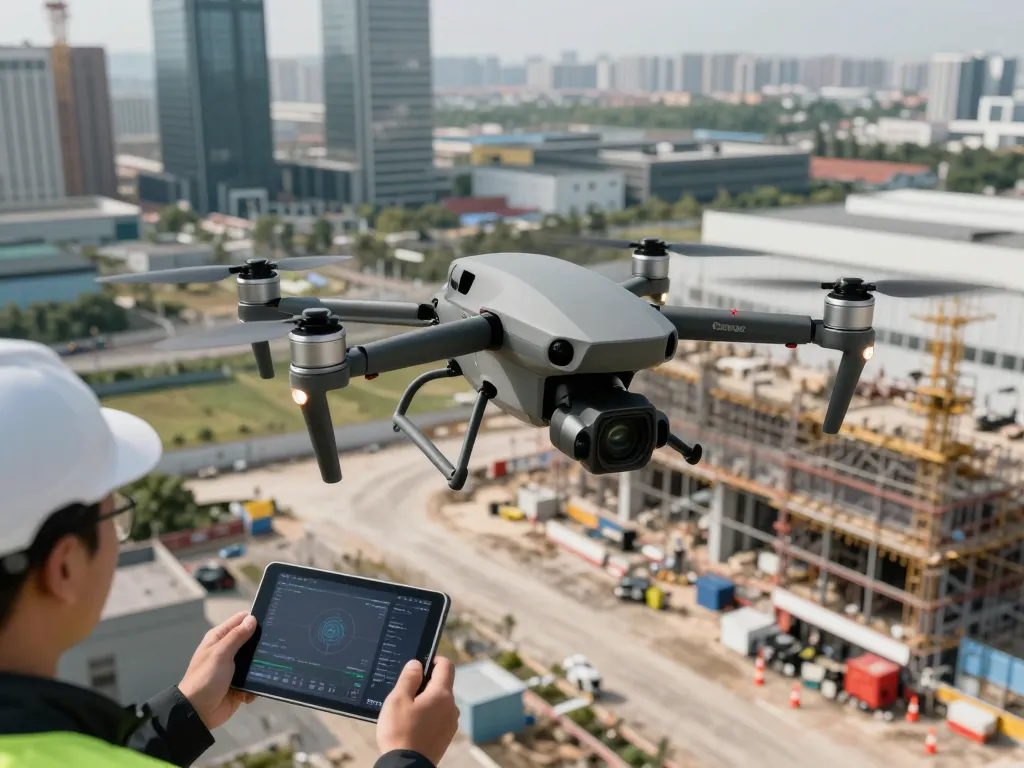
Introduction to the DJI Matrice 4D
The DJI Matrice 4D represents a significant leap forward in drone technology, particularly for enterprise applications such as surveying, inspections, and public safety operations. This innovative drone stands out due to its advanced features, impressive specifications, and robust design, setting new benchmarks in unmanned aerial vehicle performance. With its multi-lens functionality, IP55 weatherproofing, and extended flight time, the matrice 4d is engineered to cater to the complex demands of various industries. In this comprehensive guide, we will explore its unique attributes, key specifications, and applications, providing valuable insights for potential users.
What Makes the Matrice 4D Unique?
The uniqueness of the DJI Matrice 4D lies in its combination of high performance and versatility. It integrates cutting-edge technology that enhances operational efficiency, making it ideal for demanding tasks that require precision and reliability. One of its standout features is the multi-lens camera system, which includes wide-angle, mid-tele, and telephoto lenses, allowing for high-resolution imaging and extensive data capture capabilities. This flexibility enhances its usability across different sectors, whether for mapping, surveillance, or infrastructure inspections.
Key Specifications and Features
- Flight Time: Up to 54 minutes, allowing for extended missions without the need for frequent recharges.
- Weather Resistance: IP55 rating ensures performance in various environmental conditions, including rain and dust.
- Cameras: Equipped with multiple sensors supporting versatile imaging capabilities.
- Payload Capacity: Increased payload flexibility enables the use of additional equipment for specialized operations.
- Advanced Flight Features: Intelligent flight modes, obstacle avoidance, and Return-to-Home function for enhanced safety.
Applications in Various Industries
The DJI Matrice 4D is not just a drone; it’s a tool that can transform operations across several industries. In construction, it serves as a powerful asset for site surveying and monitoring progress with precise aerial imagery. In the energy sector, it is invaluable for inspecting power lines, wind turbines, and solar panels, providing data that significantly reduces the time and cost of manual inspections. Public safety organizations utilize its capabilities for search and rescue missions and surveillance tasks, enhancing operational efficiency and safety.
Comparative Analysis: Matrice 4D vs. Other Models
How the Matrice 4D Stands Out Against the Matrice 4
When comparing the Matrice 4D to its predecessor, the Matrice 4, several key differences emerge. The Matrice 4D offers enhanced weatherproofing and a longer flight time, which are crucial for commercial applications that demand reliability. The added multi-lens camera system not only improves data capture but also allows for more creative and comprehensive imaging solutions.
Comparative Specs: Matrice 4D vs. Competitors
In the current drone market, the Matrice 4D competes with various models, including those from other leading manufacturers. While many drones offer similar flight times and camera capabilities, few can match its combination of robustness and versatility. The IP55 rating is particularly noteworthy, as it is designed to operate in challenging environments, a feature not universally available in many competitor models.
Real-World Use Cases
Real-world applications of the Matrice 4D highlight its effectiveness and adaptability. For example, a construction firm may leverage the drone to map a job site, generating 3D models that guide project progression. Similarly, emergency services could deploy the Matrice 4D for rapid assessment during natural disasters, providing critical data that aids in decision-making.
Optimizing Drone Operations with the Matrice 4D
Effective Flight Strategies and Techniques
To maximize the capabilities of the Matrice 4D, operators should employ strategic flight techniques. Planning flight paths that account for wind patterns and topography can enhance the drone’s performance. Additionally, utilizing the advanced intelligent flight modes can streamline missions, allowing operators to focus on data collection rather than navigation.
Data Management and Analysis
Data collected by the Matrice 4D can be voluminous, necessitating effective management practices. Utilizing software that can process and analyze aerial imagery is crucial. Operators should consider platforms that integrate with the drone’s capabilities, facilitating seamless data transfer and ensuring that insights can be drawn efficiently from the collected information.
Best Practices for Safety and Compliance
As drone operations become more regulated, adhering to safety protocols is imperative. Operators should be well-versed in local regulations governing drone use, including no-fly zones and operational limitations. Implementing a checklist before flight can help ensure compliance and safety, reducing the risk of accidents or legal issues.
Future Trends in Drone Technology for 2026
Emerging Innovations in Drone Features
The future of drone technology, particularly for models like the Matrice 4D, is set to be characterized by significant advancements. Innovations in AI and machine learning will likely enhance autonomous capabilities, allowing drones to make real-time decisions based on data analysis during flights. Additionally, advancements in battery technology promise longer flight times and quicker recharging.
Predictions for Drone Market Growth
Market analysts predict robust growth in the drone industry, driven by increased adoption across commercial sectors. As more businesses recognize the advantages of drone technology, the demand for models like the Matrice 4D will likely grow, alongside investments in training and infrastructure to support drone operations.
Impact of Regulations on Drone Operations
As drone technology evolves, so too will regulatory frameworks. Future regulations may focus on enhancing safety protocols and defining operational boundaries more clearly. It will be essential for operators to stay informed about these changes to ensure compliance and continued operational success.
FAQs about the Matrice 4D
What is the Matrice 4D’s maximum flight time?
The maximum flight time of the DJI Matrice 4D is up to 54 minutes, providing ample operational capacity for extensive missions.
How does the Matrice 4D enhance data capture for inspections?
Equipped with multiple lenses, the Matrice 4D captures a wide range of data, facilitating comprehensive inspections of structures and landscapes.
Can the Matrice 4D be used for public safety operations?
Yes, the Matrice 4D is ideal for public safety operations, providing vital aerial perspectives in emergency situations and search and rescue missions.
What accessories are compatible with the Matrice 4D?
A variety of accessories are compatible with the Matrice 4D, including additional camera lenses, battery packs, and mounting systems that enhance its functionality.
Are there training resources available for new operators?
Training resources for new operators include online courses, certification programs, and hands-on workshops that cover the operational aspects of the Matrice 4D.




More Stories
ae888black Pros and Cons: An Honest Breakdown of Software Development Solutions for 2026
thabet Performance Tested: Innovative Software Development for 2026
Gi8: How to Unlock Better Software Efficiency in 2026